
Why choose Webologists
Robotics Challenges. Software Built for Teams
Scattered device data, isolated dashboards, and manual handoffs slow robotics teams down. We connect the software behind clearer fleet operations.

-
Fleet Status in One View
Gather robot availability, task progress, and device alerts into one shared operational view.
-
Robot Logs Easier to Investigate
Use AI to create event summaries linked to source logs, ready for your engineers to check.
-
Clearer Task Handoffs
Connect service requests with robot job status so teams can review progress and exceptions.
-
Clear Operator Views and Tasks
Give operators status views, permissions, and controlled action workflows.
-
Device Alerts Ready to Review
Group related alerts and surface context so staff can investigate issues without switching dashboards.
-
Clearer Maintenance Records
Link service history, new faults and device data to help teams plan follow-up.
-
Robot Log and Data Review
Structure sensor recordings, annotations, and test results for engineering review.
-
Release State in Clear View
Keep software versions, configuration records and deployment status visible across fleets.
Robotics Software Development, From Your Goals to Launch
Build the software for your robots and their operators. Our robotics software development services span fleet platforms, operator interfaces, data tools, simulation workflows and integrations. We define the use case, assess hardware interfaces, and connect the solution with your systems, with testing shaped around the deployment.
-
01
Custom Robot Fleet Management Software
We build fleet platforms for robot status, task queues, service requests, and operator workflows, using supported interfaces.
-
02
Robot Telemetry and Monitoring Dashboards
We develop monitoring tools for device health, events and operational data, with dashboards and configurable alert workflows.
-
03
Robot Job Queues and Workflow Platforms
We connect business requests to robot task queues and status updates with clear exception handling and operator review steps.
-
04
ROS and Robot Middleware Integration Tools
We connect supported robot interfaces, ROS components and business APIs, with compatibility checked against your robot stack.
-
05
Operator Interface and Access Systems
We create operator dashboards for device status, permissions, and authorized actions, with workflows scoped to your use case.
-
06
Robotics Simulation and Testing Platforms
We create tools to organize simulation scenarios, trial runs and results, helping teams compare behavior before field trials.
-
07
AI Vision Datasets and Model Evaluation Tools
We develop tools for sensor datasets, labeling, model evaluation, and review, with performance assessed for the intended use.
-
08
Robot Maintenance and Service Tools
We connect fault reports, service records and device history in service workflows to help teams investigate recurring issues.
-
09
Robotics Customer Deployment Workspaces
We build customer portals for fleet metrics, service requests, documentation, and deployment records, with role-based access.
-
10
Robotics Cloud Integration and Data Platforms
We connect robot data with cloud tools and business systems, planning synchronization, access, and storage around deployment.
Robotics Solutions We’ve Built
-
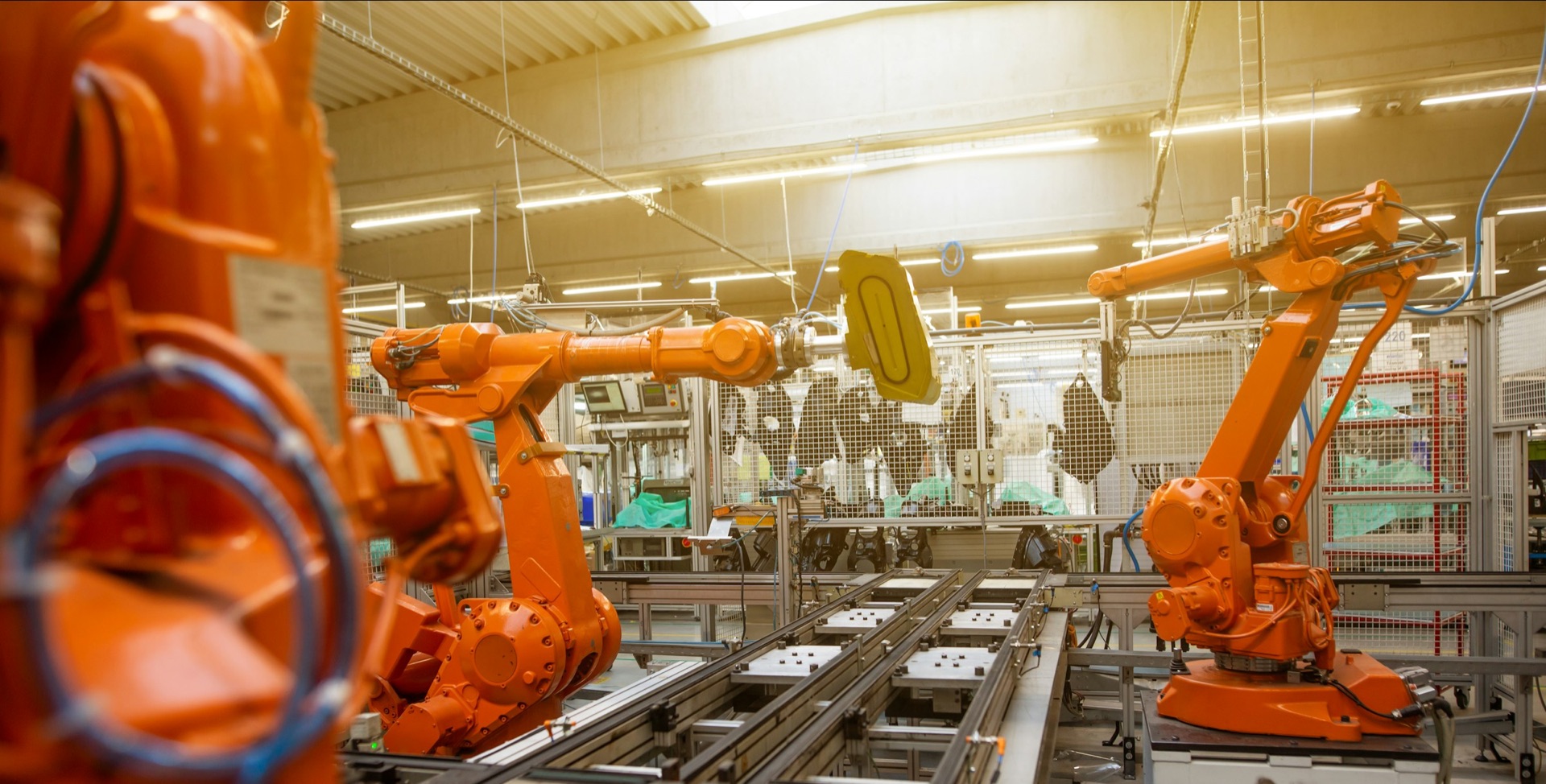
Connecting Robot Software, Field Deployments and Fleet Operations
Connecting robot software development, site deployments and robot fleet oversight.
Read the story -

Connecting Cloud Robotics Development and Remote Fleet Management
Connecting cloud development, robot monitoring and remote device management tools.
Read the story -
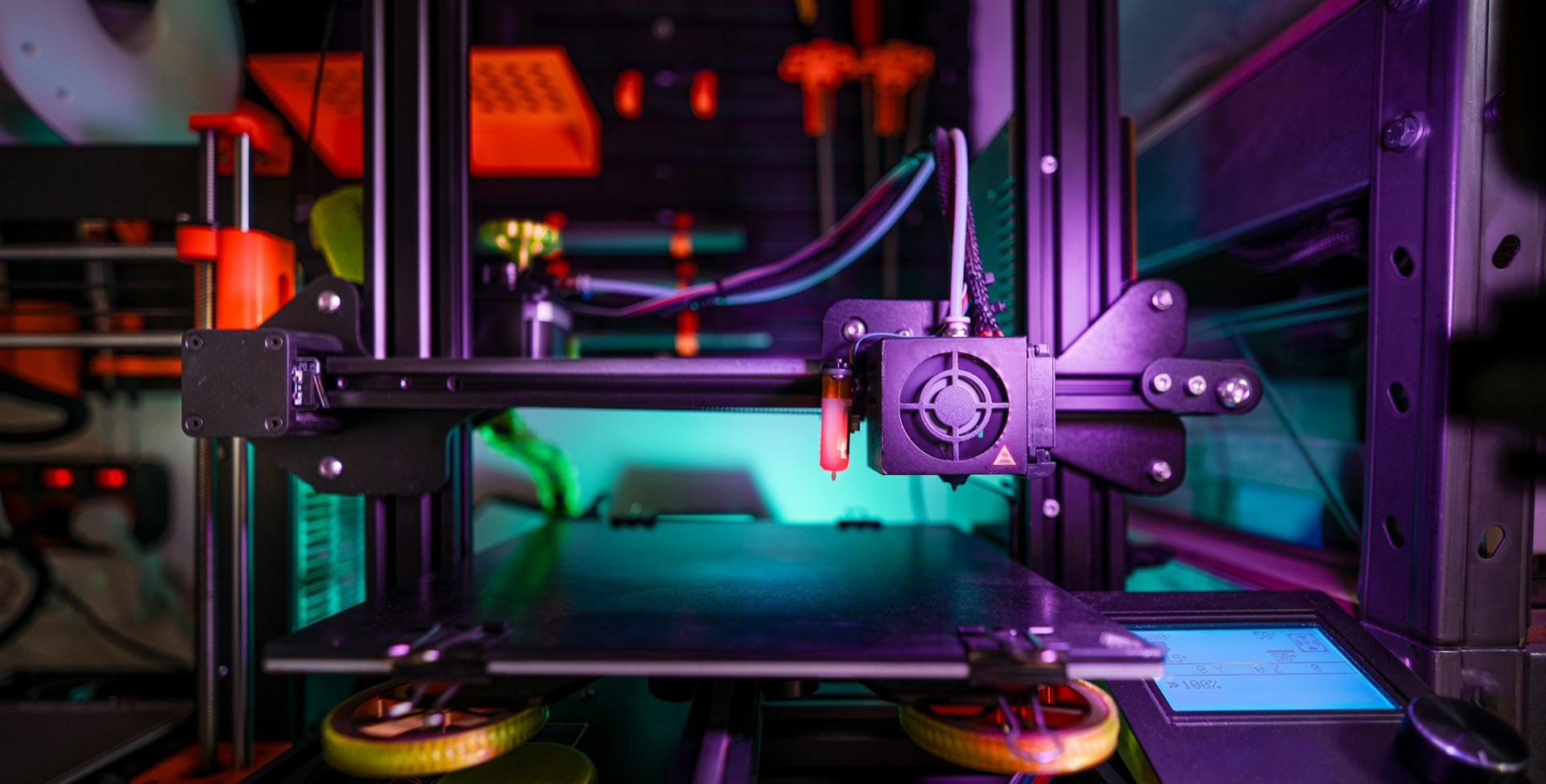
Making Robotics Data Searchable for Investigation and Team Review
Connecting robotics recordings, searchable signals and analytics for data reviews.
Read the story
What Better Robotics Software Delivers
Give operators clear views, help engineers investigate issues, and connect robot activity with workflows. Custom robotics software brings device data closer to people who need it.
-
01
Less Time Searching Log Data
Bring events, device records, and task history into shared views. Engineers can investigate issues with context, while source links help them check details behind a summary or alert.
-
02
Clearer Fleet Operations
Give operators a shared view of robot status, task progress and service needs. Connected dashboards help teams handle handoffs, review exceptions and track what needs attention across sites.
-
03
Clearer Test Result History
Keep simulation scenarios, configurations and results organized for comparison. Teams can review changes with a record of what was tested, while field validation remains part of deployment.
-
04
Less Time on Manual Status Updates
Connect task progress, fault reports, and service requests with the systems your teams use. Shared updates can reduce duplicate entry and help operations and engineering work from shared information.
-
05
Software That Grows With Your Team
Add devices, locations or customer deployments without rebuilding every dashboard. Custom robotics software gives you control over data connections and workflows you prioritize as the business grows.
Plan Your Next Robotics Software Project
Join the robotics companies who trust Webologists to deliver dependable, intelligent solutions that connect machines, data and people. Get a free systems assessment and project roadmap.
- Meet with management
- Custom AI implementation roadmap
- No sales pressure
FAQs
What to Know About Robot Software Design
Explore what shapes robotics software, from robot interfaces and fleet data to testing, access rules, and AI.
We evaluate your robot platforms, SDKs, APIs, middleware, and business systems to establish what interfaces are available. We scope data access, task handoffs, and operator actions around compatibility, network conditions, and the intended deployment.
Starting points include log summaries, document search, and sensor dataset review. We define the intended task, evaluation data, and review steps first. Perception or control applications need further validation shaped around operating environments.
We establish who can access device data and which actions each role may request. We plan authentication, permissions, audit trails and network access around deployment. Remote commands and recovery behavior are scoped with your hardware specialists.
We can develop tools for scenario setup, test execution, result comparison and version tracking. We work with the simulation environment and validation process. Simulation provides evidence for engineering review; physical tests are still needed for deployment.
We start by mapping hardware interfaces, data flows, and operational workflows. Where practical, we add monitoring, operator dashboards, or business integrations around what already works. Larger changes can be phased around your testing and deployment schedule.